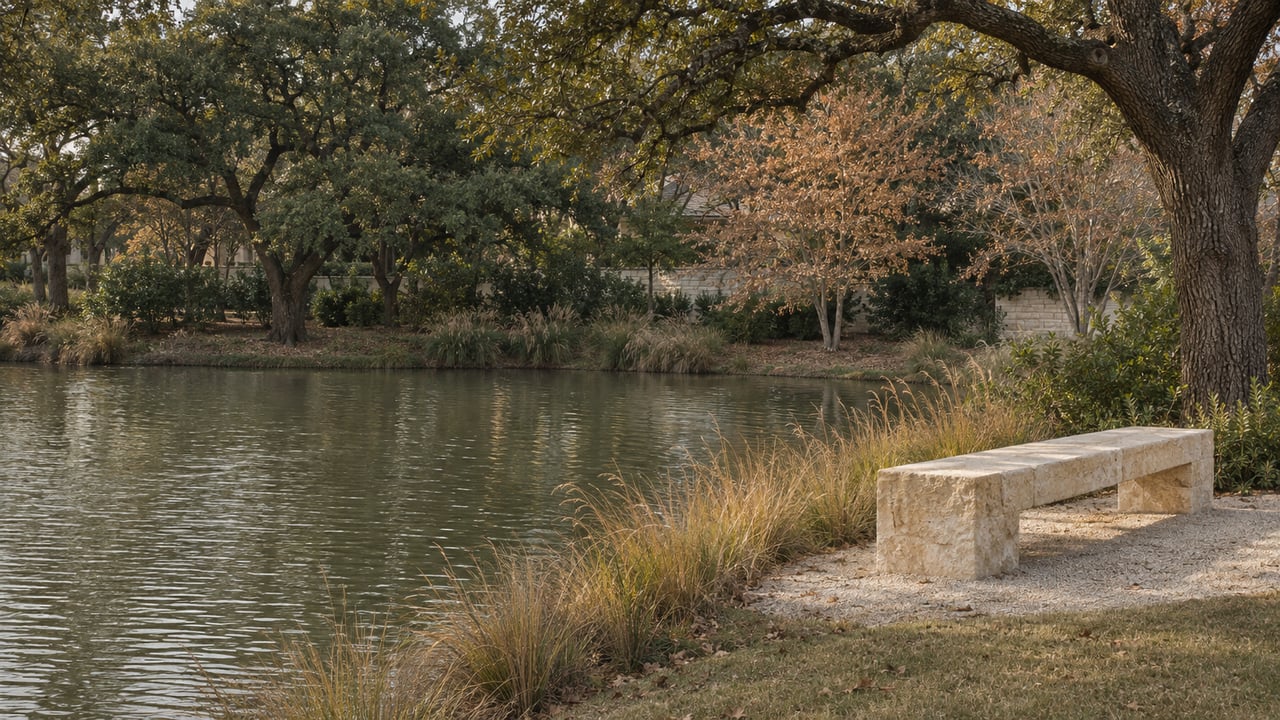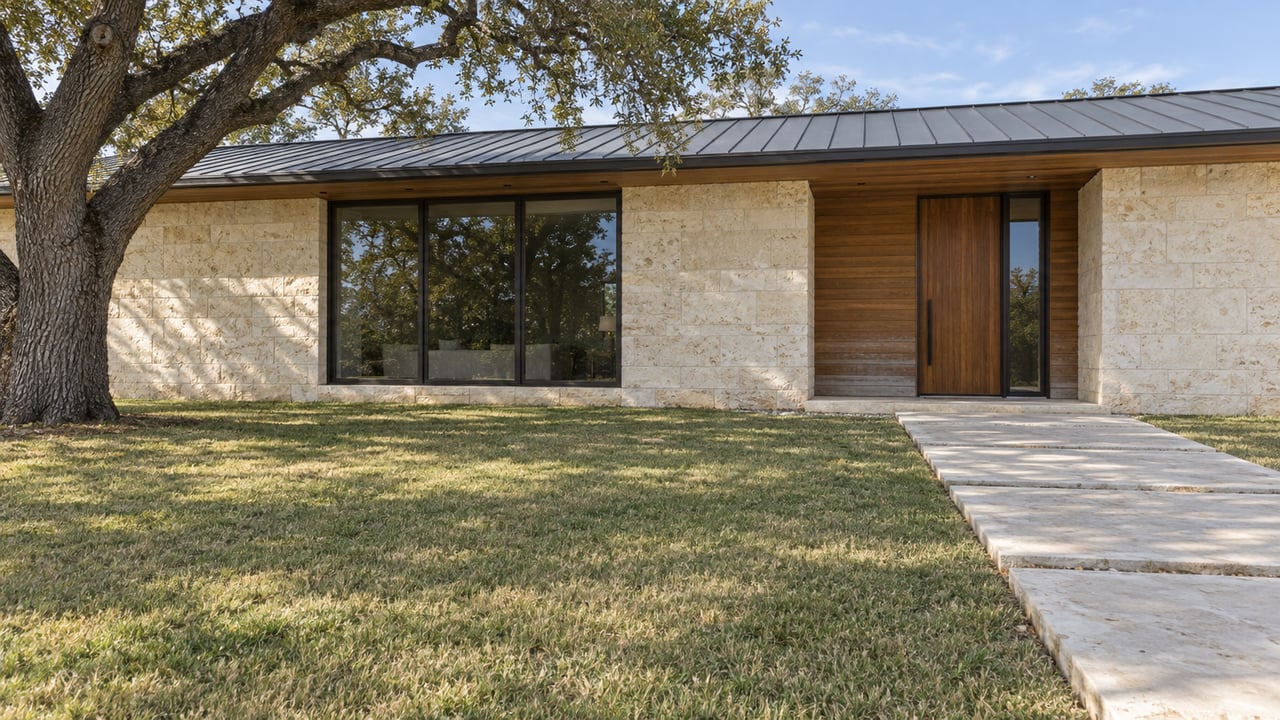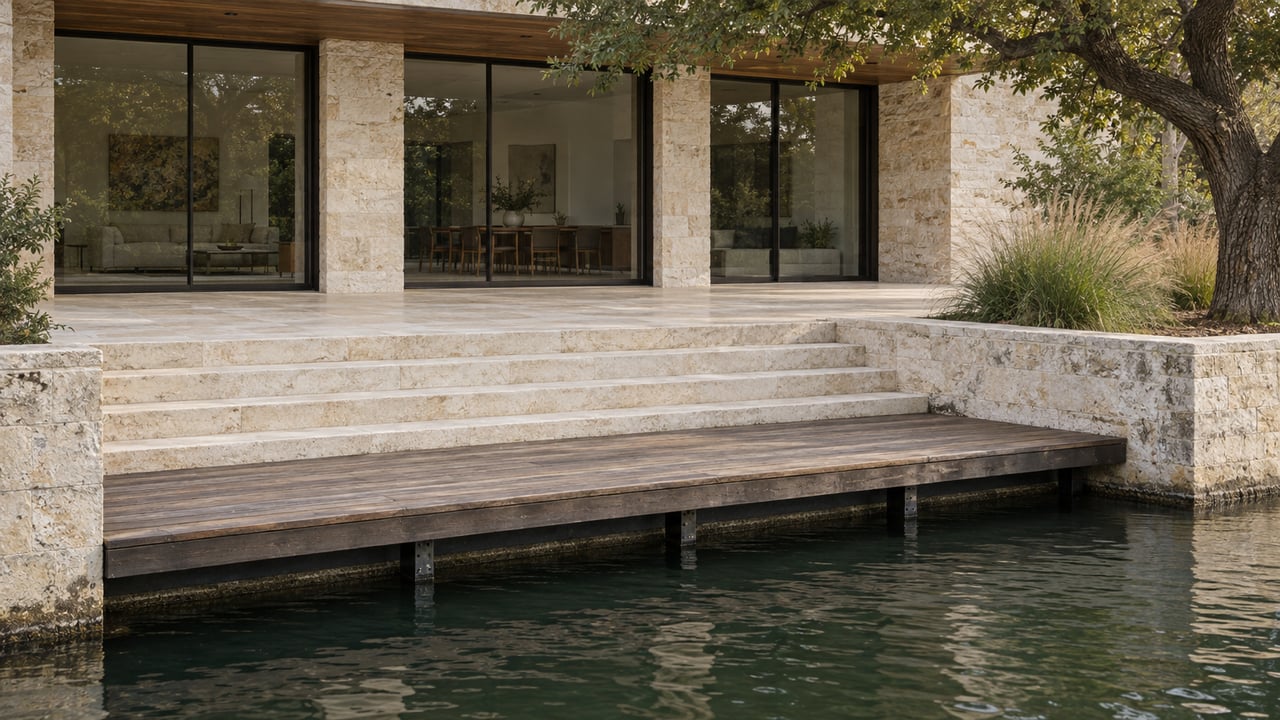
On August 20, 2026, the City of Austin and the Lower Colorado River Authority announced the first Lake Austin drawdown since 2017. The plan was to lower the lake by about 10 feet between October 12 and November 30, exposing shoreline so owners could repair docks, bulkheads, and boat slips that had been sitting in the water for years. Austin Development Services started drafting a special Site Plan Exemption meant to speed up approval for minor repairs during the low-water window. Owners with cracked bulkheads or buried boat lifts began lining up contractors.
By late September, before the lake had dropped a single inch, the city pulled the plan. Staff said stakeholders had raised concerns about the timing colliding with fall wedding season and with major draws like University of Texas football weekends and Formula 1, both of which depend on normal lake access for the businesses built around them. The maintenance benefit didn't survive that math.
If you assumed Lake Austin's defining trait, a water level that barely moves, also meant a stable and predictable set of rules for maintaining a dock, the cancellation is worth sitting with. The lake doesn't move much. The drawdown plan changed, while dock-permitting rules remain a separate question.
Two Regulators, One Shoreline
Most of the Highland Lakes chain runs through a single permitting authority. On Lakes Buchanan, Inks, LBJ, Marble Falls, and Travis, LCRA issues dock permits, and it doesn't even require one for a residential dock under 1,500 square feet.
Lake Austin doesn't work that way. LCRA's own guidance states plainly that the City of Austin, not LCRA, is responsible for managing dock and safety regulation on Lake Austin. That means a buyer who has shopped Lake Travis or Lake LBJ and picked up the rough rule of "small docks don't need a permit" is carrying the wrong rulebook onto Lake Austin. Inside city limits, the City requires a permit for constructing a new dock, repairing an existing dock or bulkhead, or removing sediment from the lakebed, drawdown or not.
That distinction is easy to miss because Lake Austin gets marketed alongside its siblings as one more Highland Lake with waterfront living. It functions as its own jurisdiction with its own paperwork, and the agency that says yes or no to your dock repair isn't the one people assume from lake-shopping elsewhere in the chain.
Why the Cancellation Was an Easy Call
The timing of the reversal makes more sense once you look at why the drawdown was scheduled for fall in the first place. Drawdowns used to happen in winter, when boating demand is lowest. LCRA stopped doing that after the February 2021 winter storm, because the utility needs its hydroelectric generators at the Highland Lakes dams available through cold months. Fall became the fallback season, which put the maintenance window on a collision course with wedding bookings, UT game days, and F1.
A 2025 Austin Watershed Protection memo found that historical data didn't support drawdowns as an effective way to control hydrilla, and that lowering the lake could even help the invasive plant spread by reducing competition from other vegetation. The planned low-water period would have given property owners dry ground to fix docks and bulkheads, while lake-dependent businesses were raising revenue concerns about the calendar.
What the Site Plan Exemption Covers
The permit distinctions get more specific once you're standing in front of an actual repair. City rules allow a Site Plan Exemption for minor bulkhead work, capped at repairing no more than 25 percent of the structure and only if no other repair was done to it without a site plan in the previous three years.
Jurisdiction adds a second layer of uncertainty. Some Lake Austin-adjacent parcels sit in unincorporated Travis County rather than inside city limits, and a handful have been deannexed from Austin outright at some point in their history.
What $597 a Foot Is Actually Pricing
As of July 2026, Lake Austin waterfront was trading at roughly $597 per square foot against a citywide Austin median of about $302, according to Austin MLS data cited in local market reporting. That's close to double. The reflex is to call the gap a waterfront premium and move on, but square footage on Lake Austin is standing in for something the number doesn't show: whether the dock in the listing photos is currently permitted. Locally, waterfront-focused agents describe dock-permitted properties carrying premiums of 30 to 50 percent over comparable lots without one. That's a permit-certainty premium built into the price, not a separate line item a buyer can negotiate around after closing.
A June 2026 TPWD survey found about 575 acres of hydrilla and roughly 75 acres of Eurasian watermilfoil in the lake.
Geography narrows the picture further. Tarrytown's stretch of direct lake frontage is genuinely scarce, fewer than 20 homes have it, which means each one carries its own decades-long permit history rather than a template a buyer can lean on. Move west toward Rob Roy Peninsula or Davenport Ranch and the properties sit in Eanes ISD instead of Austin ISD. The lake doesn't just split by price.
A Few Questions Worth Asking Before You Write an Offer
Does the canceled drawdown change dock permit rules right now? No. The requirement to permit a new dock, or repair an existing one, exists independent of any drawdown and stays in place with the lake at normal level.
Does LCRA or the City issue the permit I'd need? It depends on where the parcel sits. LCRA is the primary dock permitting authority on Lakes Buchanan, Inks, LBJ, Marble Falls, and Travis. On Lake Austin, the City manages dock and safety regulation instead.
If you're weighing a Lake Austin purchase and want the dock's permit history pulled before you write an offer, not after you own the problem, Lee Bullock will walk the paperwork with you alongside the comps. Let's connect.
This article is general information, not legal, tax or financial advice. Consult a qualified professional about your situation.